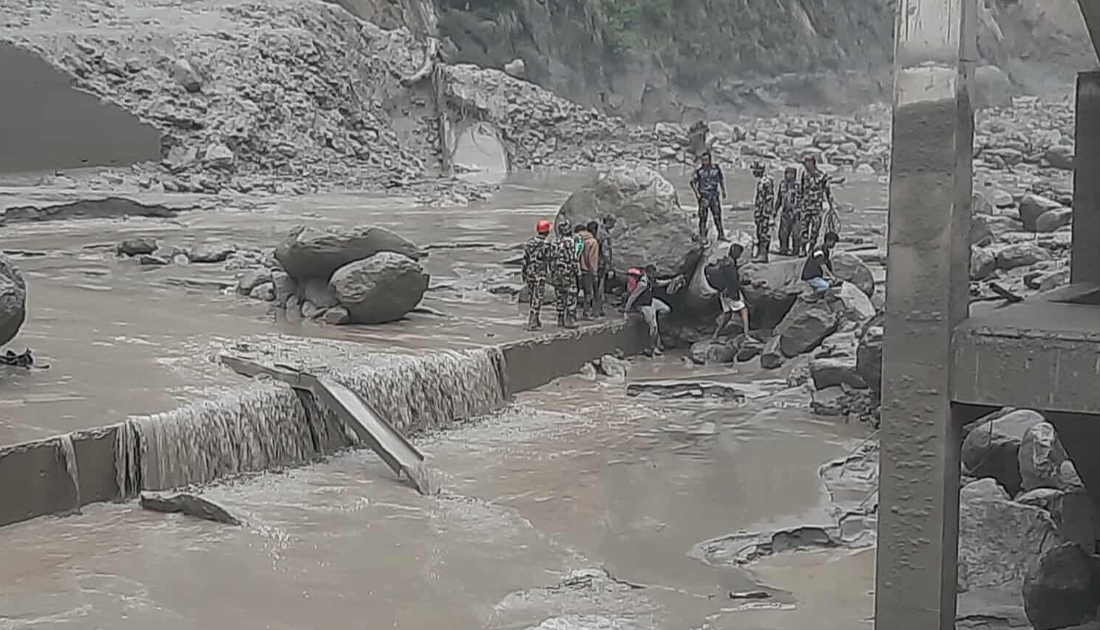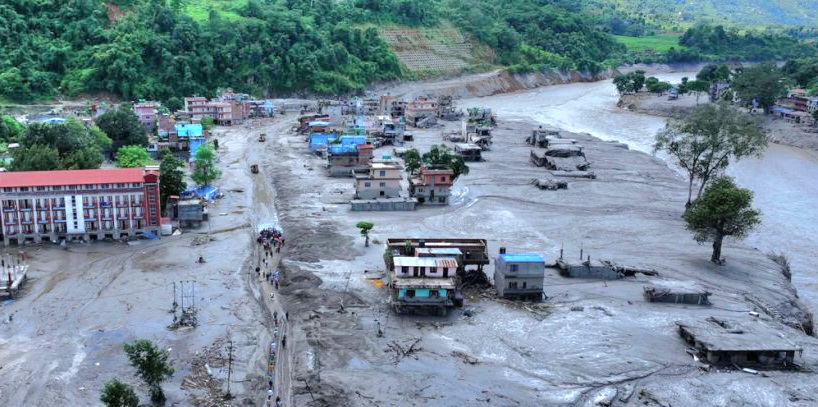







KATHMANDU: The successful rescue of Chinese national Lu Haitao, who survived nearly 10 days trapped inside a tunnel following the devastating Bhotekoshi disaster, has become more than a story of survival. It has emerged as a powerful example of humanitarian solidarity and mutual assistance between Nepal and China.

Lu was rescued alive by a rescue team from a tunnel at the Upper Trishuli-1 Hydropower Project in Rasuwa after spending about 10 days underground. His rescue attracted significant public and media attention, offering a rare moment of hope amid the destruction caused by the disaster.

The survival of Lu after days trapped underground highlighted the determination and courage of the rescue team, as well as the importance of every effort to save human life during a disaster.

For China, the rescue of a Chinese national in Nepal was particularly significant. The successful operation also brought renewed attention to the humanitarian dimension of Nepal-China relations and the importance of mutual support during times of crisis.
While rescue teams were working on the ground to save a Chinese citizen, China was simultaneously extending emergency assistance to Nepal following the disaster.
At the request of the Government of Nepal, China’s Ministry of Emergency Management dispatched five technical experts with tunnel-rescue expertise to support Nepal’s search and rescue operations.
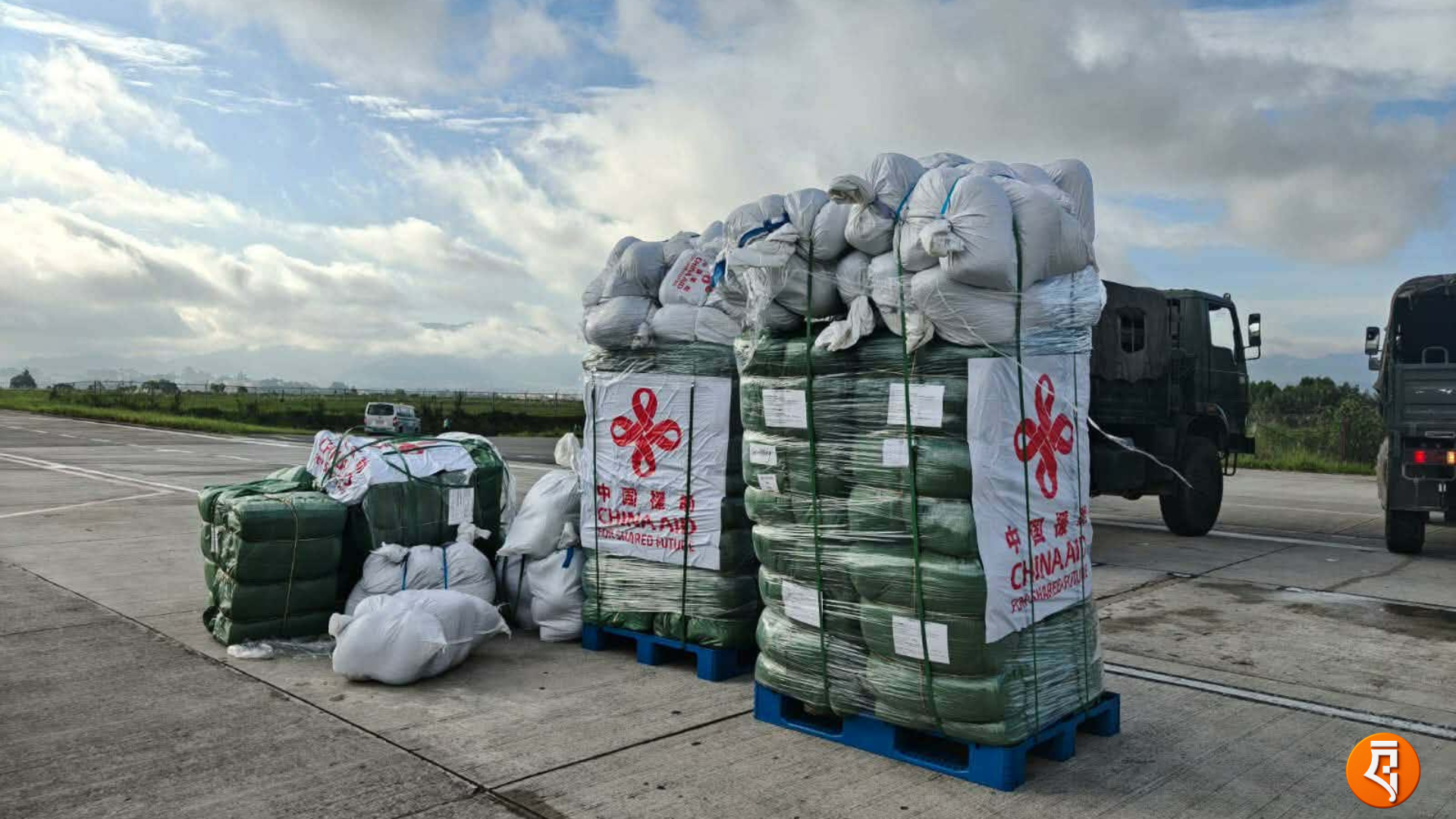
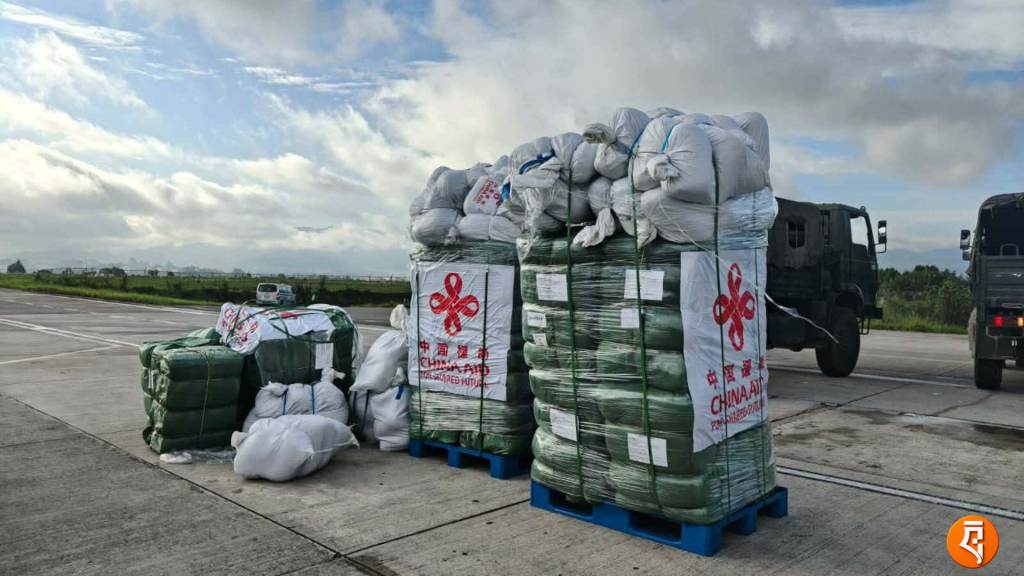
China also delivered around 50 tonnes of emergency relief supplies to Nepal through two Y-20 military transport aircraft. More than 13,000 emergency items, including tents, blankets, sleeping bags, food supplies and first-aid materials, were provided to support disaster response and affected communities.
The assistance was further expanded to include drones, DNA-testing equipment and water-purification systems, helping strengthen Nepal’s search, rescue and emergency-response capabilities. China also provided additional humanitarian and financial assistance for relief and rehabilitation efforts.
Taken together, these developments tell a story larger than any single rescue operation.
A Chinese citizen was brought safely out of a disaster zone in Nepal, while China provided technical expertise, emergency equipment, relief supplies and humanitarian assistance to Nepal at a time of great need.
This reciprocal support has highlighted the human dimension of Nepal-China relations. Beyond economic and development cooperation, the disaster response has demonstrated how the friendship between the two countries can also be expressed through humanitarian assistance and solidarity.
Such stories are particularly important during a disaster. When communities face loss, uncertainty and fear, successful rescue operations and acts of international solidarity can provide hope and strengthen public confidence.
The rescue of Lu Haitao has therefore become a powerful symbol of hope amid devastation. His survival after nearly 10 days underground demonstrated the extraordinary determination to save human life even under extremely difficult circumstances.
It also offered a reminder that friendship between nations is demonstrated not only through words and agreements, but through concrete action when people are facing their most difficult moments.
The Bhotekoshi disaster has brought immense loss and suffering, but the response has also revealed stories of courage, cooperation and humanity.
Disasters may know no borders, and neither does humanitarian solidarity. In the difficult days following the Bhotekoshi disaster, Nepal-China friendship has been reflected through rescue efforts, emergency assistance and a shared commitment to helping people when it matters most.
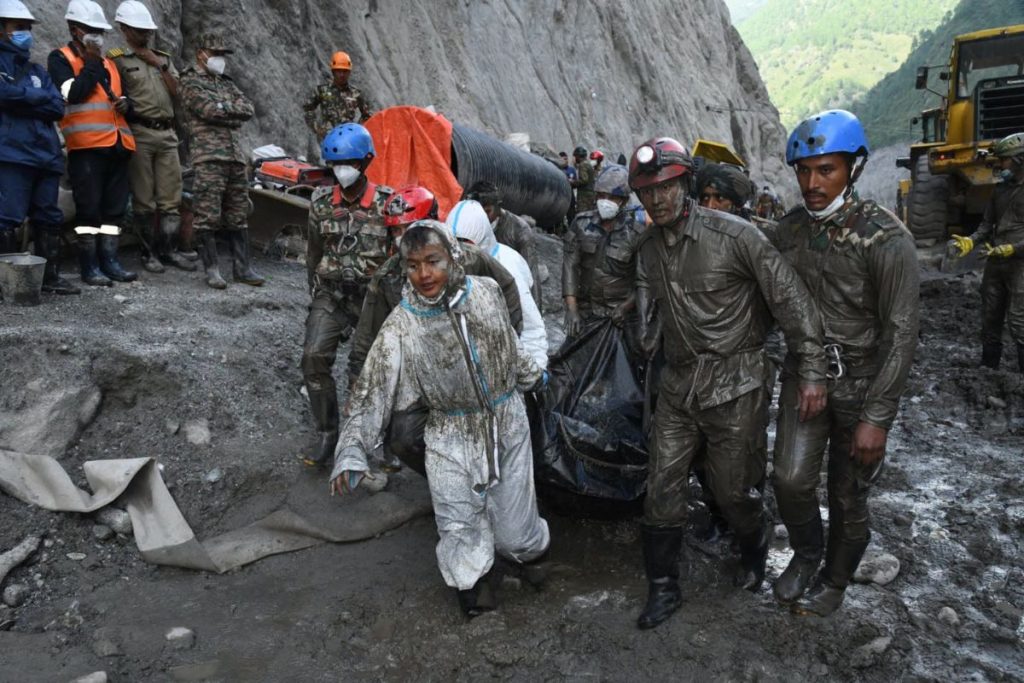 चिलिमे आयोजनाको सुरुङमा तीन शव फेला
 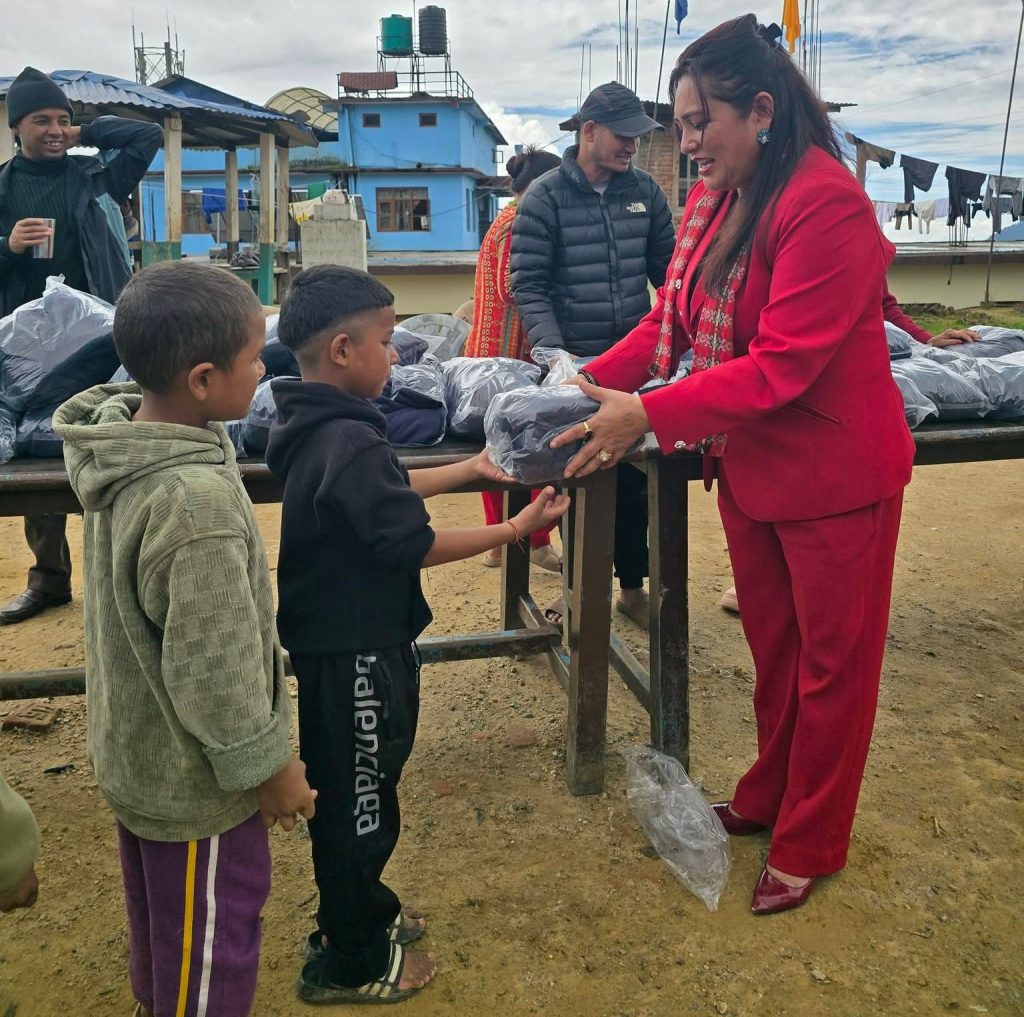 विपन्न बालबालिकालाई कपडा सहयोग
 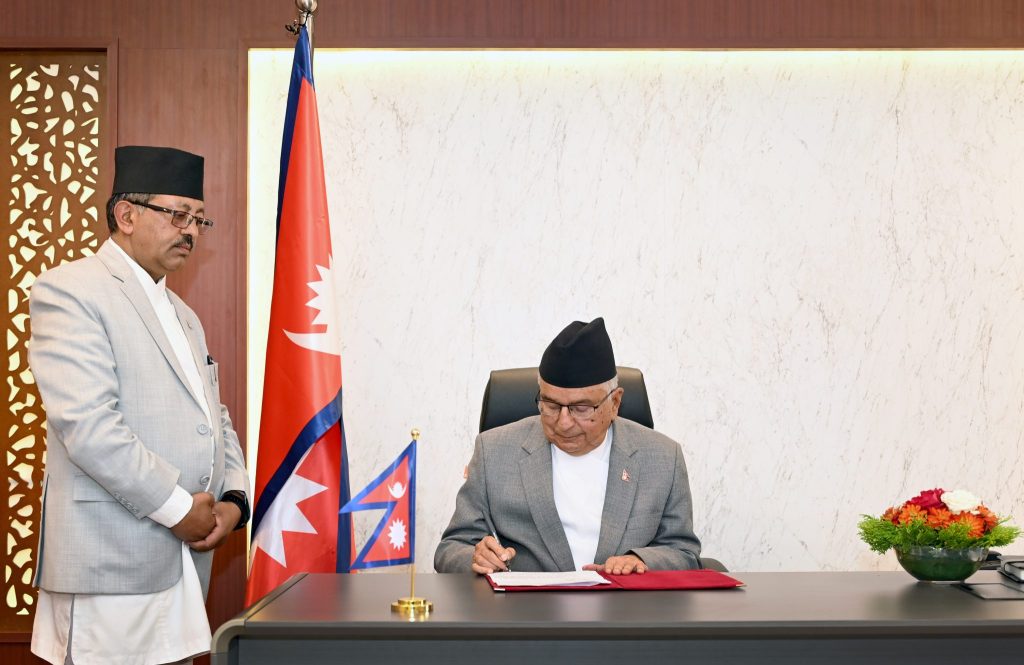 राष्ट्रपतिद्वारा नेपाल विशेष सेवा ऐनसम्बन्धी विधेयक प्रमाणीकरण
  लागूऔषध दुर्व्यसन र आत्महत्या विरुद्ध सडक नाटक प्रदर्शन
  रसुवा बाढीको वैज्ञानिक अध्ययन गर्न ७ सदस्यीय विज्ञ समिति गठन

 Ten Days Underground: Rescue Highlights Nepal-China Solidarity